Dubai Property Market After Regional Shocks: What Buyers and Investors Should Know in 2026
SEO title: Dubai Property Market After Regional Shocks: What Buyers and Investors Should Know in 2026
Dubai’s property market has been one of the world’s most resilient growth stories, but the latest headlines show a short-term shift in mood. Regional tension has started to soften transaction momentum, and that change matters for anyone planning a purchase, sale, or investment decision in the city.
The important point is this: a cooling market is not the same as a weak market, as Dubai is the most appreciating market worldwide. It often means buyers have more room to negotiate, investors need sharper discipline, and well-located assets become even more important. For Luxnest clients, that creates both caution and opportunity.
What changed in Dubai’s property market?
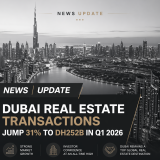
Recent reporting from Semafor highlighted how Dubai’s long-running property boom is being tested by regional shocks. After a strong 2025 and an active start to 2026, March sales volumes reportedly dropped sharply compared with the prior month, while prices have so far held up because many deals were signed before the latest disruption.
That difference matters. It suggests the market is adjusting at the transaction level first, not through a full price collapse. In practical terms, buyers are becoming more selective, sellers are becoming more flexible, and the market is moving from overheated momentum toward more careful pricing.
Why this matters for buyers
1. Better negotiation power
When volumes slow, sellers often respond faster to serious offers. That can create opportunities on price, payment terms, furnishing packages, service charge support, or handover flexibility.
2. More time to compare options
Fast-moving markets reward urgency. Slower markets reward preparation. Buyers can now compare communities, floor plans, developers, and resale alternatives with less pressure to overpay.
3. Quality becomes more important than hype
In a softer market, buildings with strong locations, good amenities, and proven rental demand usually hold up better than speculative launches with weak fundamentals.
What this means for investors
1. Focus on income, not just appreciation
Investors should lean harder on yield, occupancy, and service charge efficiency. The best opportunities are likely to be assets that can rent well even if sentiment remains uneven.
2. Avoid chasing every headline
Periods of uncertainty often create tempting entry points, but discipline matters. Look for developers with delivery strength, communities with real end-user demand, and assets that can survive a slower exit environment.
3. Keep leverage conservative
If prices flatten before rising again, highly leveraged positions become harder to manage. Conservative financing gives investors more staying power and more flexibility to hold through volatility.
Market impact
For the wider Dubai market, the current reset may actually improve long-term health. Less speculation, better price discovery, and more rational decision-making can help the city’s real estate cycle stay sustainable.
For Luxnest buyers and investors, the key message is simple, this is a time to be selective, not emotional. Dubai still offers global demand, strong infrastructure, and long-term appeal, but the best decisions now will come from comparing value carefully rather than following momentum blindly.
Conclusion
Dubai’s property market is not losing its appeal, it is becoming more selective. That creates room for serious buyers to negotiate and for disciplined investors to buy with greater confidence.
If you are considering your next move, Luxnest can help you compare the best communities, projects, and pricing opportunities before you commit.